
Passenger Communication During IROPS: Where Airlines Lose Control of the Situation
The Operational Gap Nobody Plans For
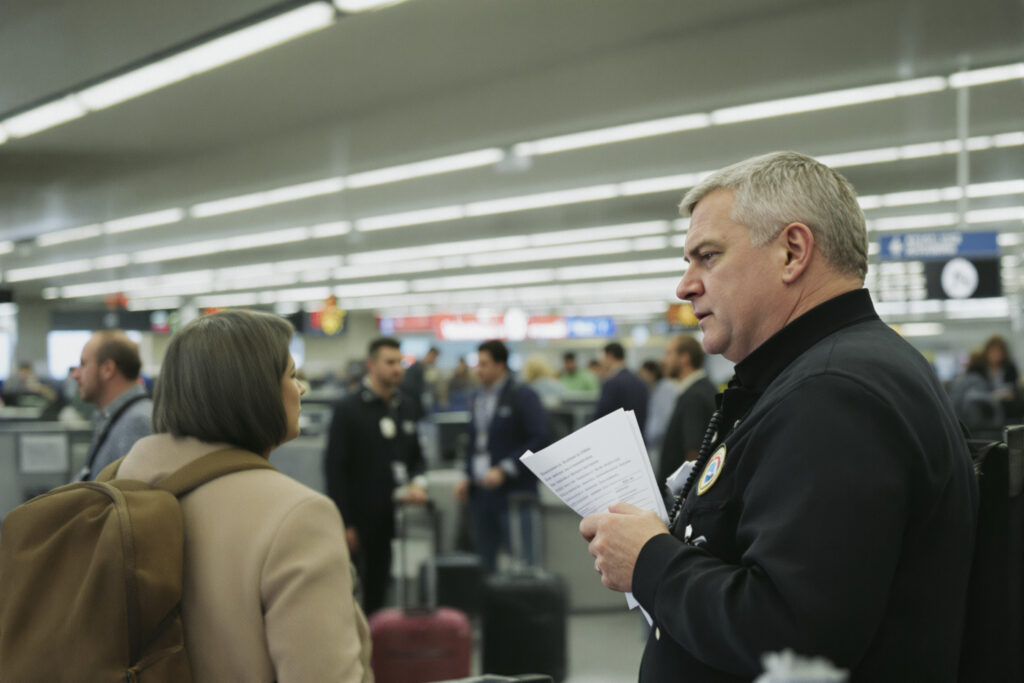
When a disruption hits, most airline operations teams have a plan for the physical logistics: getting aircraft repositioned, sourcing hotels, arranging coaches. What often falls apart is the communication layer. Passengers are left waiting at gates with no information, crew members are receiving contradictory instructions, and ground handlers are acting on assumptions because no clear update has come through.
This is not a technology problem. It is an ownership problem. During IROPS, passenger communication rarely has a single accountable person or team behind it. The result is that updates go out late, contradict each other, or never go out at all. And by the time operations has stabilised the situation logistically, the communication damage is already done.
Why Communication Breaks Down Under Pressure
In normal operations, communication flows through established channels: apps, gate screens, check-in agents, cabin crew. Each channel has a clear owner and a defined trigger. During a disruption, those triggers stop working because the situation is no longer predictable, and the people who normally manage those channels are overwhelmed or physically unavailable.
What replaces structured communication is improvisation. Gate agents start fielding questions they cannot answer. Supervisors issue verbal updates that reach some passengers and not others. The airline’s app still shows the original departure time. Social media fills the vacuum.
This is where operational control breaks down, not at the logistics level, but at the perception level. Passengers who receive timely, honest updates, even when the news is not good, are significantly easier to manage than passengers who feel ignored. The difference in downstream complaints, rebooking friction, and duty-of-care claims is material.
The Three Moments That Define Passenger Trust
In IROPS situations, there are three critical communication windows. Miss any of them and you are in recovery mode for the rest of the event.
- The initial acknowledgement. As soon as a disruption is confirmed, passengers need to know something is happening and that the airline is aware. The content does not need to be detailed. It needs to be immediate. A holding message that confirms a delay, gives a rough next-update time, and directs passengers to a single source of information is far more effective than silence followed by a detailed update forty minutes later.
- The accommodation and logistics update. Once rebooking, hotel allocation, or transport arrangements are being processed, passengers need to understand what is happening to them specifically. Generic messages about the disruption are not enough. If a passenger is being bussed to a hotel for the night, they need to know where that hotel is, how they will get there, what to do with their baggage, and what the plan is for the following day. This is where most airlines fall short. The logistics exist but the communication describing those logistics is absent or buried in a generic SMS.
- The resolution update. Once the disruption is resolved or the forward plan is confirmed, passengers need a clear summary of what happened, what their options are, and what to do next. This is also the moment to set expectations about EU261 entitlements if applicable, which reduces inbound complaint volume later.
Single Source of Truth: Why It Matters Operationally
One of the most damaging patterns during IROPS is when different channels are saying different things. The departure board shows a delay. The app shows cancelled. The gate agent says to wait. The airline’s social media team has posted an apology that refers to a different flight.
This is not hypothetical. It happens routinely, because during a disruption, no single person or system is updating all channels simultaneously. Operations is focused on fixing the situation. Communications teams, if they exist separately, may not have real-time access to operational data. Ground handlers are working from the last update they received.
The operational fix is simple in concept and difficult in execution: designate one source of truth for passenger-facing information and make every channel point to it. That might be a dedicated disruption page on the airline website, an SMS with a tracking link, or a WhatsApp broadcast. The specific channel matters less than the consistency. Every agent, every screen, every automated message should be pointing to the same place with the same information.
This requires pre-agreed protocols, not improvisation. The time to design those protocols is not during an event.
Where IROPS Partners Fit Into the Communication Chain
When an airline is managing accommodation and ground transport through an end-to-end IROPS management provider, the communication around those logistics should be part of the service, not an afterthought. Passengers need to know when their coach is leaving, what hotel they are going to, and who to contact if something goes wrong overnight. If the airline is expecting its own operations team to manage that communication on top of everything else, it will not happen reliably.
A well-structured IROPS partner provides not just the physical accommodation and transport but also the operational information flow that connects those services to the passengers using them. That includes local language support, which matters significantly across European operations where passengers may not be comfortable communicating in English under stress. Duerming operates local phone lines across fourteen European countries specifically because language and local context affect how disruptions are handled on the ground.
For airlines operating across Spain in particular, coordination between airport-level logistics and passenger communication is a known pressure point. Having a partner with established coverage at Spanish airports means that the ground reality and the communication about that ground reality are coming from the same place.
Practical Steps Operations Teams Can Take Now
- Define who owns passenger communication during IROPS before a disruption occurs. This should be a named role, not a department.
- Draft holding messages for the most common disruption scenarios. These should be approved in advance so they can go out within minutes, not after an internal approval chain.
- Map every passenger-facing channel and establish who is responsible for updating each one during a disruption. If that list has gaps or overlaps, fix them now.
- Build a protocol for what information an IROPS partner is expected to communicate directly to passengers and what information stays with the airline. Ambiguity here costs you during events.
- Review your last three significant disruptions. Look at the timeline of passenger-facing communications versus the timeline of operational decisions. The gap between those two timelines is your problem statement.
Communication Is an Operational Function
Treating passenger communication as a separate, downstream activity from operations is the core mistake. During IROPS, communication is part of the operation. It affects how passengers behave at airports, how quickly they move through accommodation and transport logistics, how many inbound calls your team receives, and how many formal complaints follow.
Airlines that treat it as an operational function, with the same structure, ownership, and pre-planning applied to physical logistics, handle disruptions measurably better. The ones that treat it as something to sort out once the real problems are solved tend to find that communication becomes one of the real problems.
Ready to be prepared before the next disruption?
Talk to our operations team about a standing IROPS agreement for your airline.